Retrofit Assessments PAS2035 Assessor: The Ultimate UK Guide for Smarter Home Upgrades (2026)
Introduction to Retrofit Assessments in the UK
Upgrading older homes to be warmer, greener, and cheaper to run is a growing priority across the UK. With rising energy costs and climate targets to meet, retrofit work must now follow clear national standards. That’s where a professional assessment comes in. A proper retrofit assessment looks at how your home performs today and recommends safe, effective improvements for the future.
For homeowners across Sussex, Hampshire, and Brighton, understanding the process doesn’t need to be complicated. This guide explains retrofit assessments in plain English, helping you make informed choices without jargon or guesswork.
What Is PAS 2035 and Why Does It Matter?
PAS 2035 is the UK’s official framework for domestic retrofit. It was introduced to stop poorly planned energy upgrades that caused damp, mould, or wasted money. In simple terms, PAS 2035 makes sure improvements like insulation, ventilation, or new heating systems work together as a whole-house plan.
Key Goals of PAS 2035
Protect homeowners from unintended damage
Improve comfort and energy efficiency
Ensure public funding is used correctly
Create consistent, high-quality retrofit work nationwide
If your project uses government-backed schemes or grants, PAS 2035 compliance is not optional—it’s essential.
Who Is a Retrofit Assessor?
A retrofit assessor is a qualified professional who carries out the first and most important step of the PAS 2035 process: the assessment. They visit your property, collect detailed information, and identify the best improvement options for your specific home.
A Retrofit Assessments PAS2035 Assessor does not sell insulation or boilers. Their role is independent and evidence-based, focusing only on what your property truly needs.
What Happens During a Retrofit Assessment?
Many homeowners worry the process will be intrusive or confusing. In reality, it’s straightforward and usually completed in a single visit.
During the Assessment, the Assessor Will:
Inspect walls, roof, floors, and windows
Review ventilation and moisture risks
Check heating systems and controls
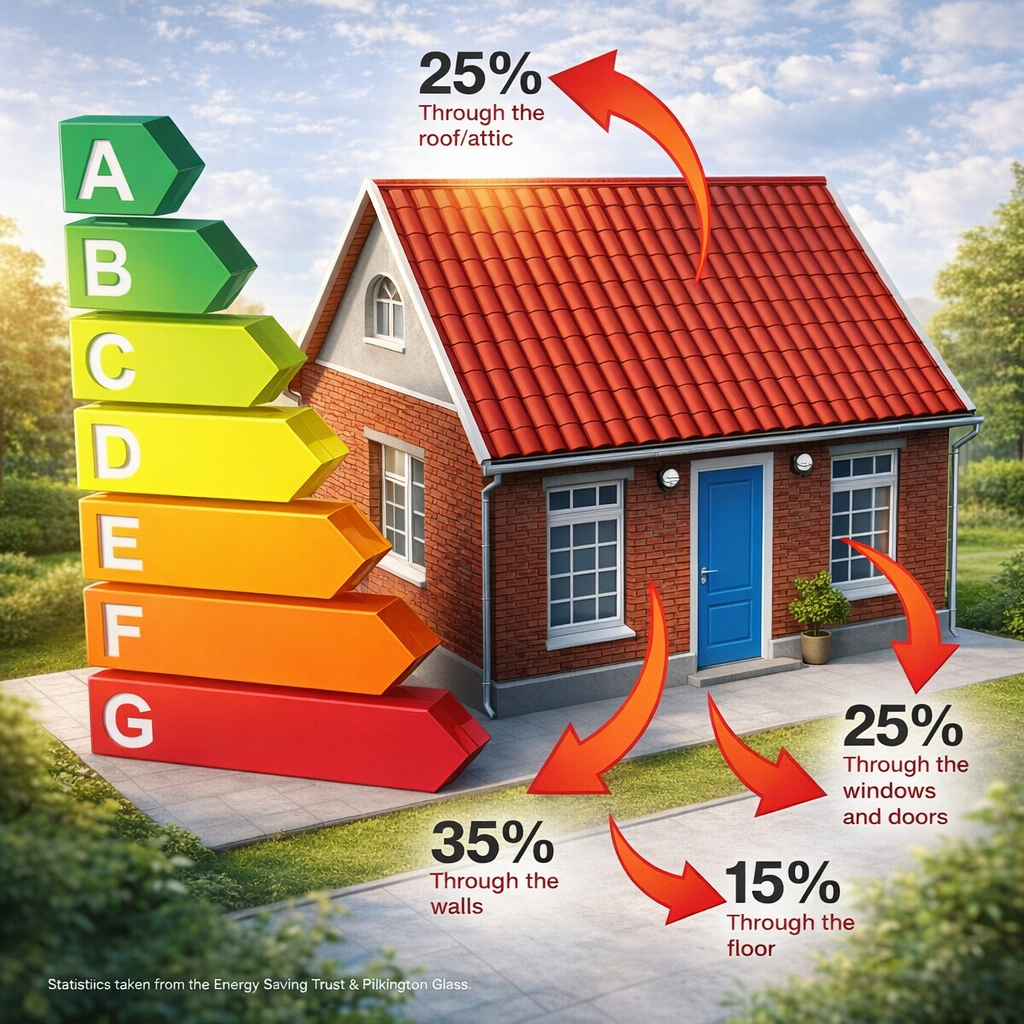
Measure energy performance and heat loss
Record occupancy patterns and lifestyle factors
The goal is to understand how your home behaves in real life—not just on paper.
The Retrofit Assessment Report Explained Simply
After the visit, a report forms the foundation of your retrofit journey.
What the Report Includes
Current condition of the building
Identified risks (such as condensation or damp)
Recommended improvements in the correct order
Energy efficiency opportunities
Information for designers and installers
This report ensures that any future work is planned safely and effectively.
Why Local Knowledge Matters in Sussex and Hampshire
Homes along the South Coast face unique challenges. Sea air, older solid-wall properties, and mixed housing stock mean a “one-size-fits-all” approach rarely works.
A locally experienced assessor understands:
Coastal moisture risks in Brighton
Victorian and Edwardian construction common in Sussex
Rural property layouts in Hampshire
Planning sensitivities in conservation areas
This local insight leads to better, longer-lasting results.
Benefits of Using a Qualified PAS 2035 Assessor
Choosing the right assessor isn’t just about ticking a box. It delivers real benefits.
Key Advantages
Lower energy bills through targeted improvements
Reduced risk of damp, mould, or overheating
Better comfort all year round
Eligibility for UK retrofit funding
Increased property value and EPC rating
Most importantly, it gives peace of mind that work is done properly.
Retrofit Assessments and Government Grants
Many UK funding schemes—past and present—require PAS 2035 compliance. Without an assessment, grant-funded work simply cannot proceed.
An assessor ensures:
Correct documentation is in place
Measures meet funding rules
Installers follow the approved design
Homeowners avoid costly mistakes
This protects both public funds and private homeowners.
Common Myths About Retrofit Assessments
“It’s only for old houses”
Not true. Even newer homes can benefit from assessment-led upgrades.
“It’s just another survey”
Unlike a basic survey, this assessment focuses on energy, comfort, and health.
“It forces expensive work”
The assessment informs decisions—it doesn’t force you to proceed.
How Long Does a Retrofit Assessment Take?
Most on-site visits take 1.5 to 3 hours, depending on property size and complexity. Reports are usually completed within a few days.
This small time investment can save years of discomfort and unnecessary expense.
Choosing the Right Assessor in Brighton and the South East
When selecting an assessor, look for:
PAS 2035 qualification and registration
Experience with similar property types
Clear, plain-English communication
Independence from installers
A good assessor explains findings clearly and answers questions honestly.
The Role of Retrofit in the UK’s Net Zero Goals
Domestic buildings are a major source of carbon emissions. Retrofit is one of the fastest ways to reduce energy demand without building new homes.
By starting with a proper assessment, homeowners play a direct role in:
Cutting national energy use
Reducing fuel poverty
Supporting sustainable local jobs
Small improvements, when done right, make a big difference.
FAQs About Retrofit Assessments
1. Do I need planning permission for a retrofit assessment?
No. The assessment itself does not require permission.
2. Is the assessment disruptive?
Not at all. A small hole may be drilled to conduct a borescope inspection of the cavity wall, but this will be filled afterwards.
3. Does every home need the same upgrades?
No. Each plan is tailored to the individual property.
4. Is ventilation really that important?
Yes. Good ventilation prevents moisture problems after insulation.
5. Is a Retrofit Assessments PAS2035 Assessor required for grants?
In most government-funded schemes, yes—it’s mandatory.
Conclusion: Making Confident Retrofit Decisions
Retrofitting your home doesn’t have to be risky or confusing. With the right assessment, improvements are planned logically, safely, and cost-effectively. For homeowners across Sussex, Hampshire, and Brighton, working with a knowledgeable local professional ensures your property becomes warmer, healthier, and more efficient—without unpleasant surprises.
A Retrofit Assessments PAS2035 Assessor is not just a requirement—it’s your guide to doing retrofit the right way.
Efficiency Smart provides PAS2035 Retrofit Assessments for Housing Associations, Landlords, ECO4 providers and other grant schemes across the South East. Contact us via email, phone or WhatsApp for further information.
Recommended External Resource
Learn more about the PAS framework from the official British Standards Institution: https://www.bsigroup.com/